Grief needs
somewhere to go.
The loss happens once.
But the longing keeps returning.
A Morning Altars
Grief Ritual Series
Nov 4, 11, 18 • 4:00-6:00pm PT • Live Online
Tend to your grief with nature, creativity, and ritual —so you’re not left carrying it alone.


“Day Schildkret, founder of the Morning Altars movement has created a beautiful commentary on nature and ritual.”
—Esther Perel

“I hold your books close.”
—Priya Parker

Life keeps asking things of us.
Even while we grieve.
The emails.
The dishes.
The children.
The errands.
The ordinary moments.
Most of us are taught how to keep going.
Very few of us are taught how to carry grief as we do.
So many of us don’t have
a place to bring our grief.
We talk about it in therapy.
We try to stay busy.
We return to work too soon.
We carry it privately while everything keeps moving.
It’s always there, in the background, left alone.
But grief is not meant to go untended.
It needs expression.
Witness.
Ritual.
Relationship.
A place to move.
And most of us never learned how to give it those things.
So it builds.
It hardens into numbness, anger, exhaustion, isolation,
or the feeling that we can’t access that vital part of us.
Grief without witness has nowhere to go.
And we’re left trying to manage the consequences of a trapped grief.

A New (and Old) Way to Grieve
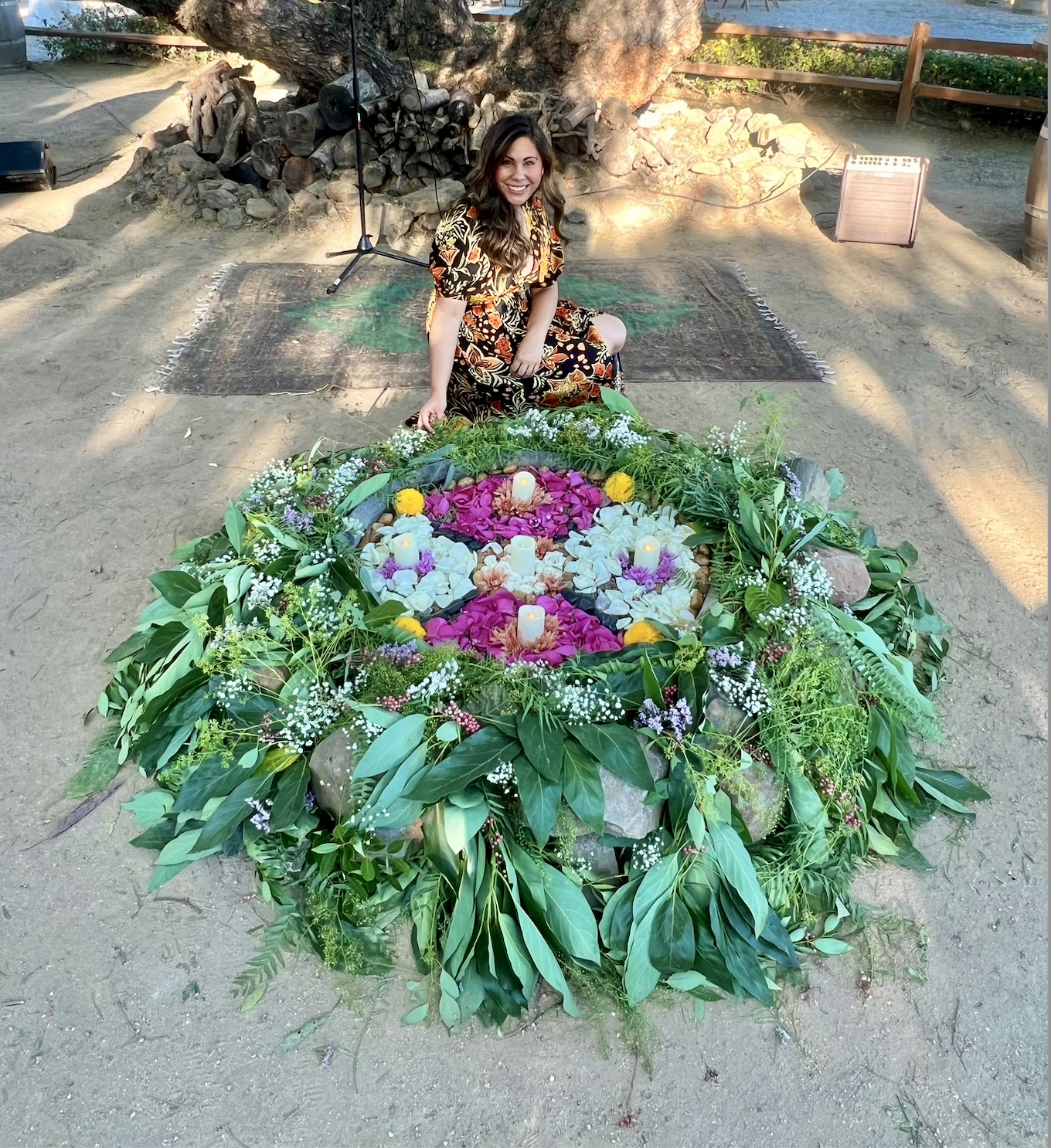
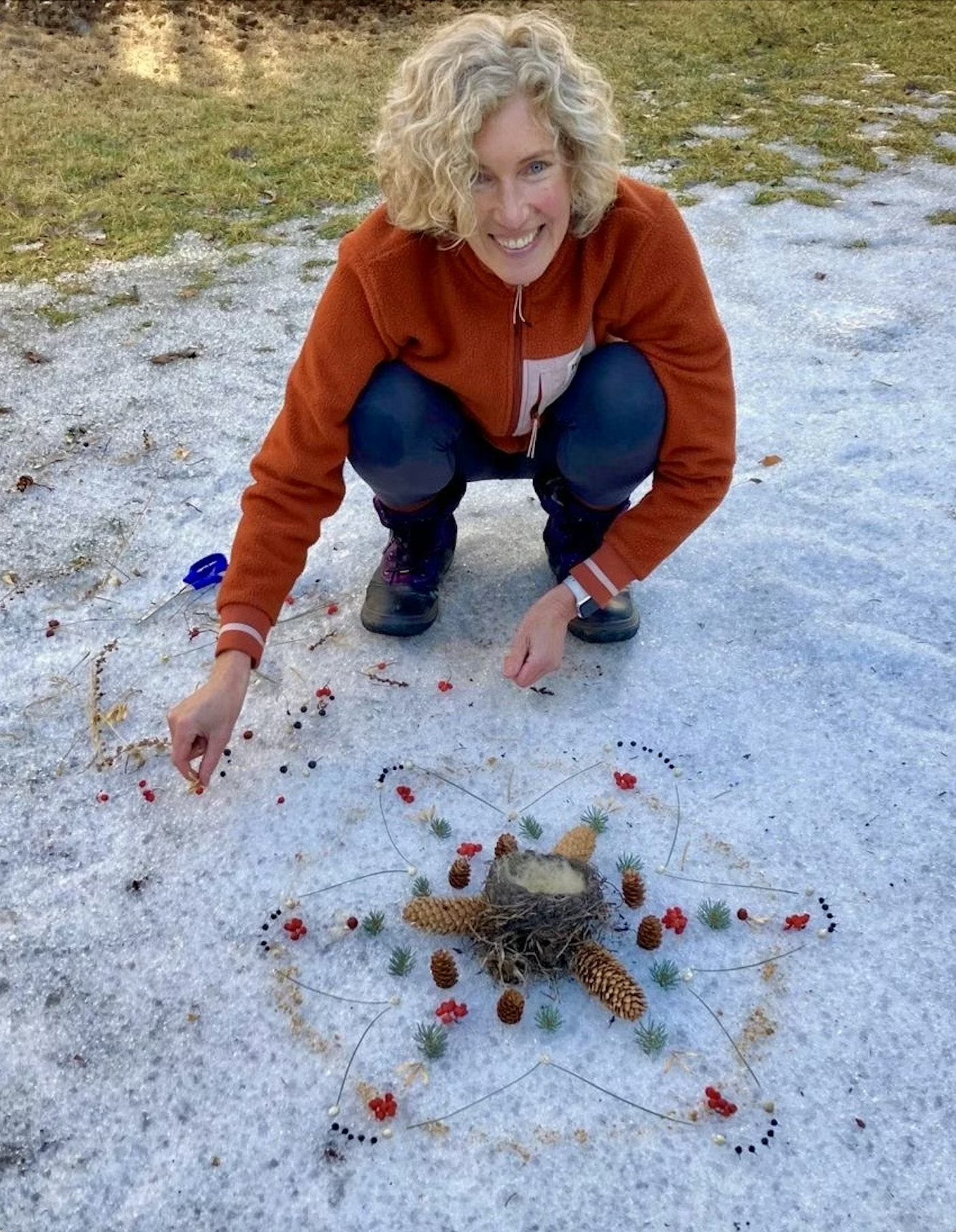
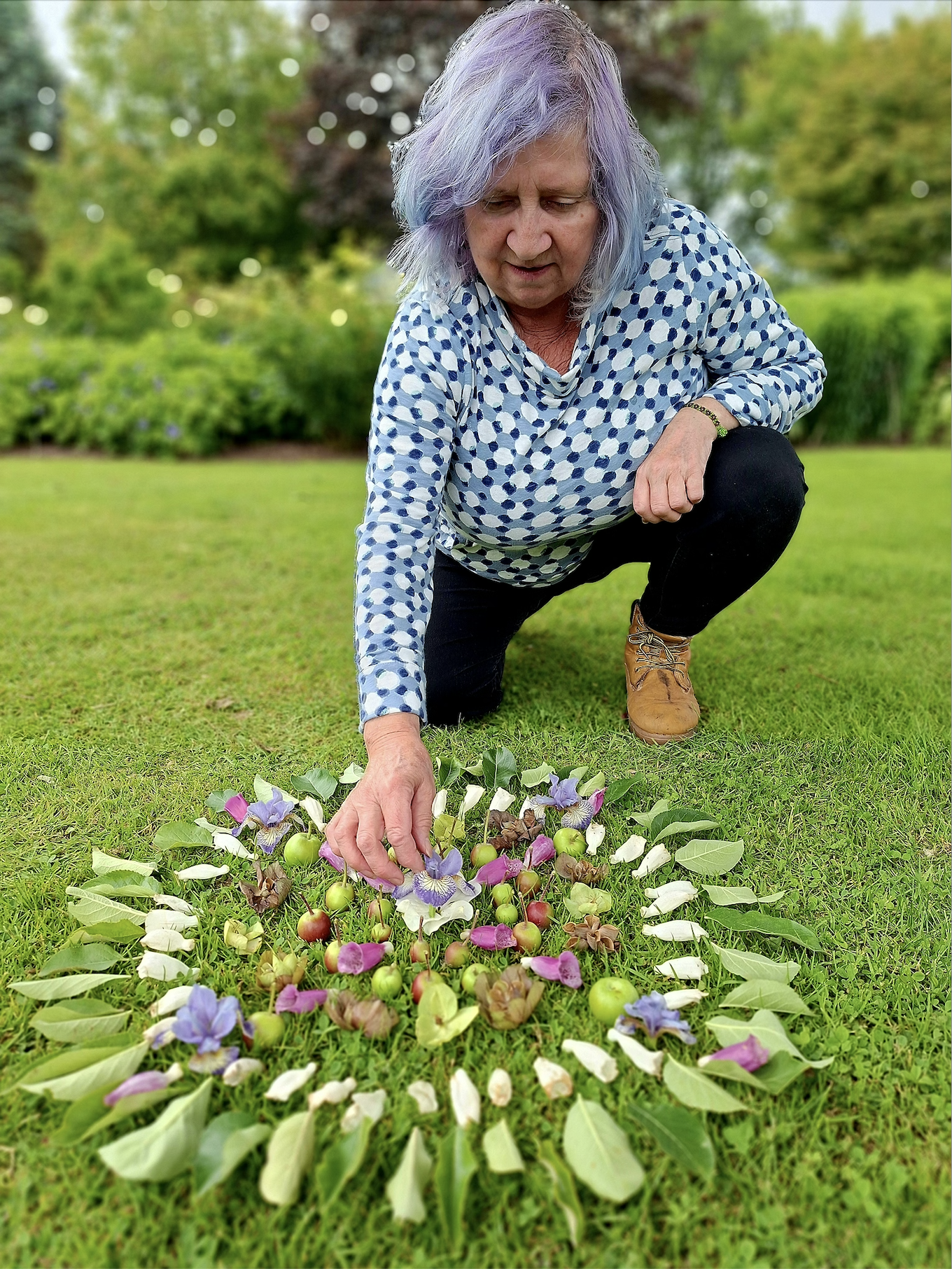
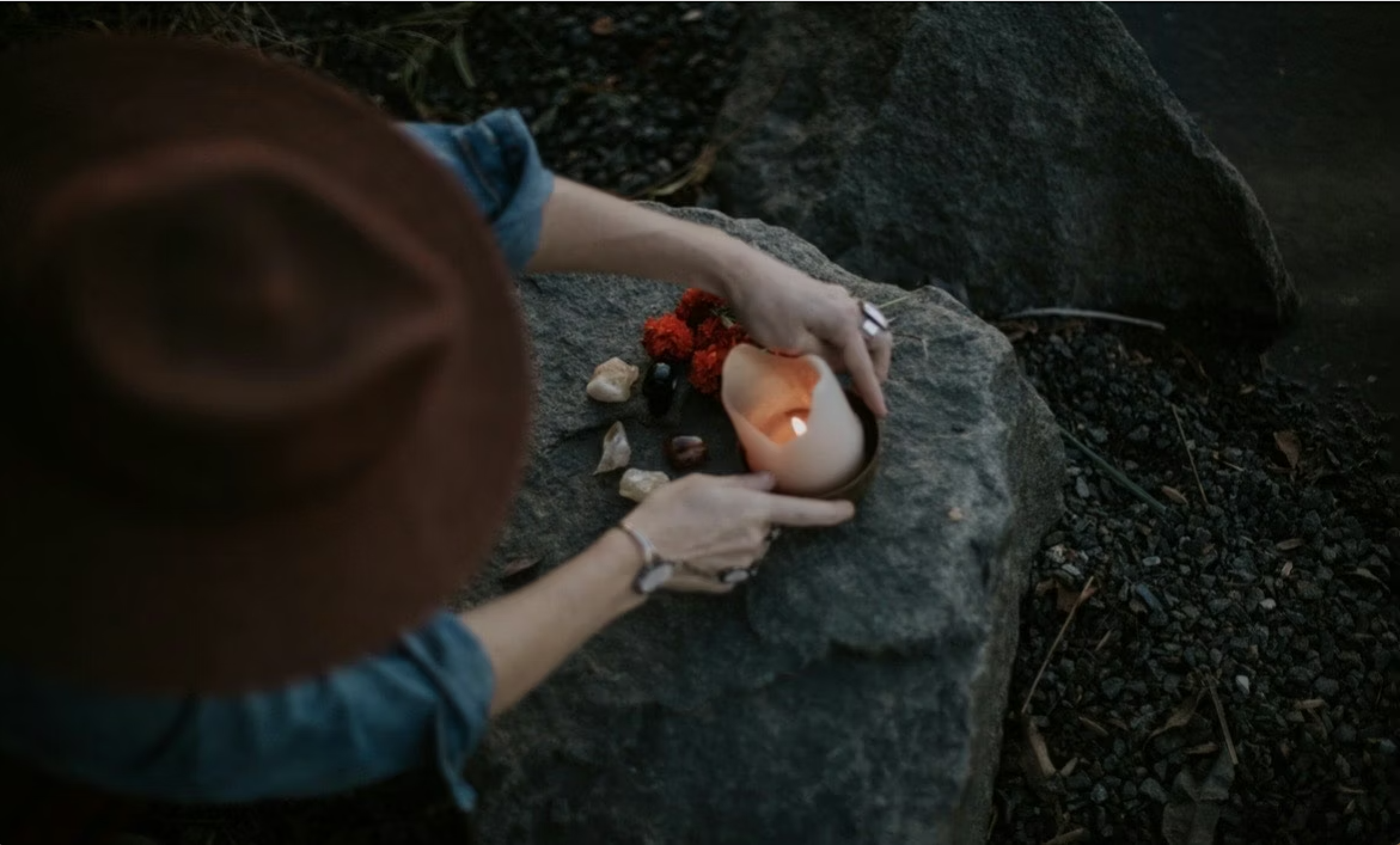
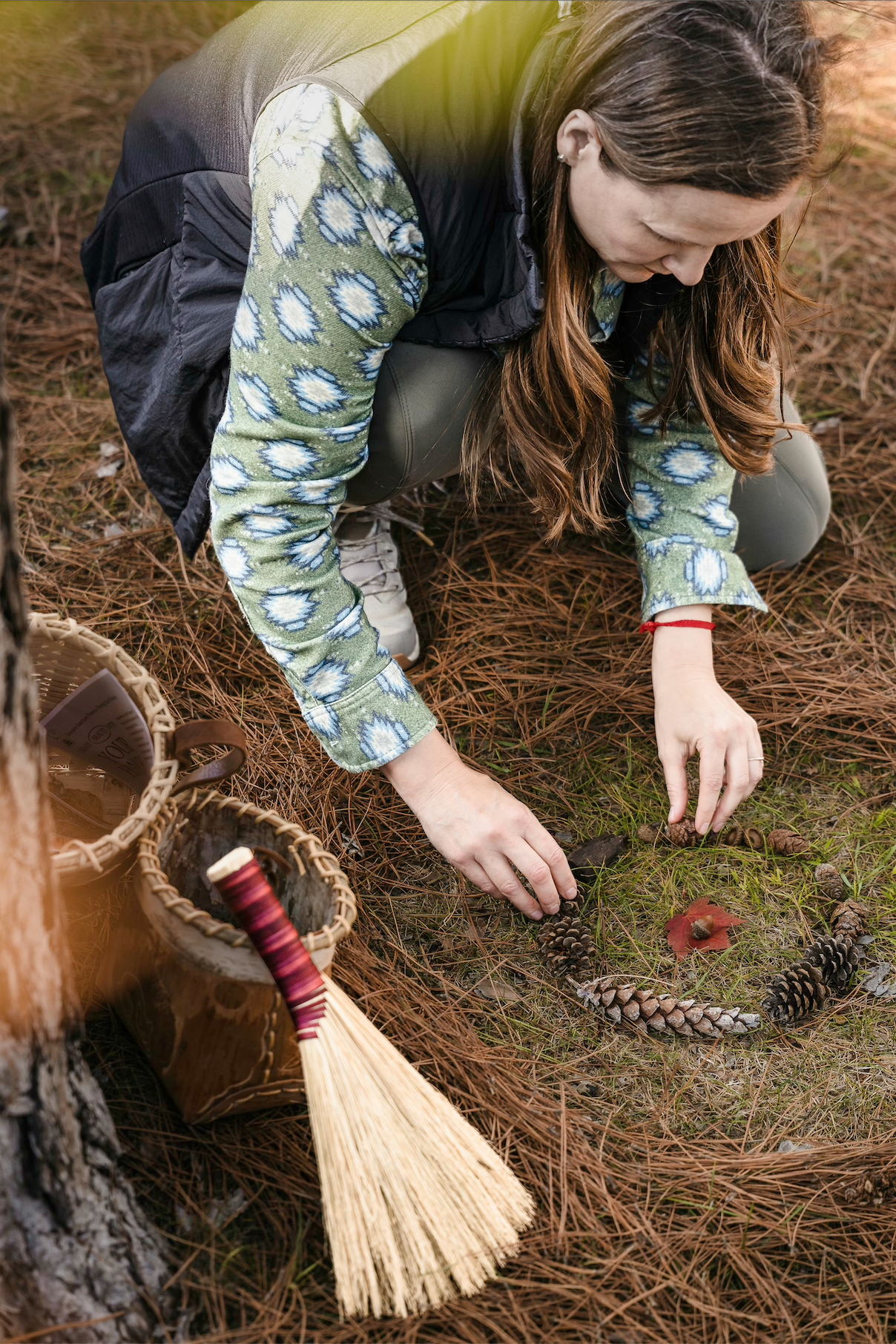
Morning Altars
is used by therapists, death-doulas, caregivers, and thousands of people around the world to work with grief.
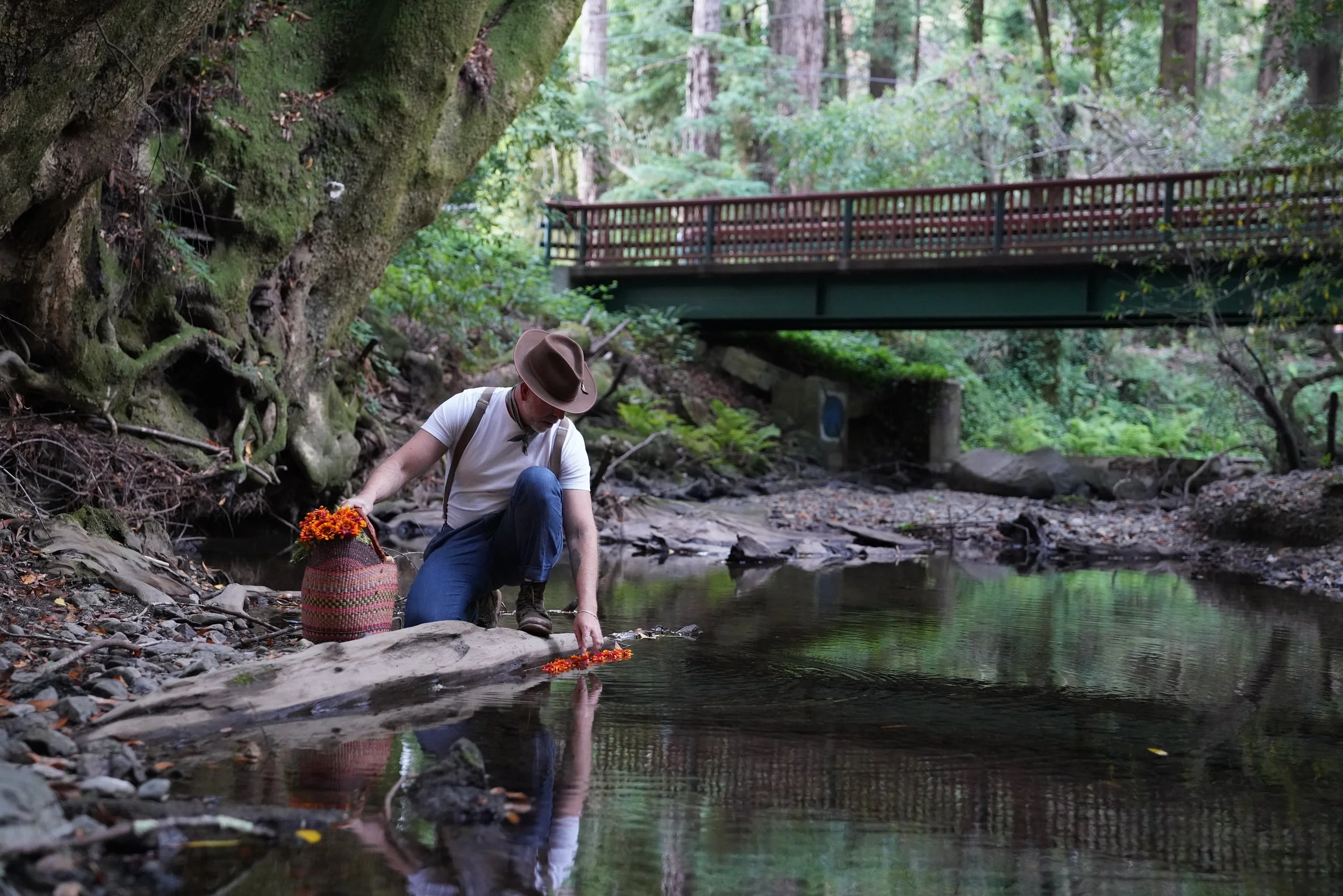
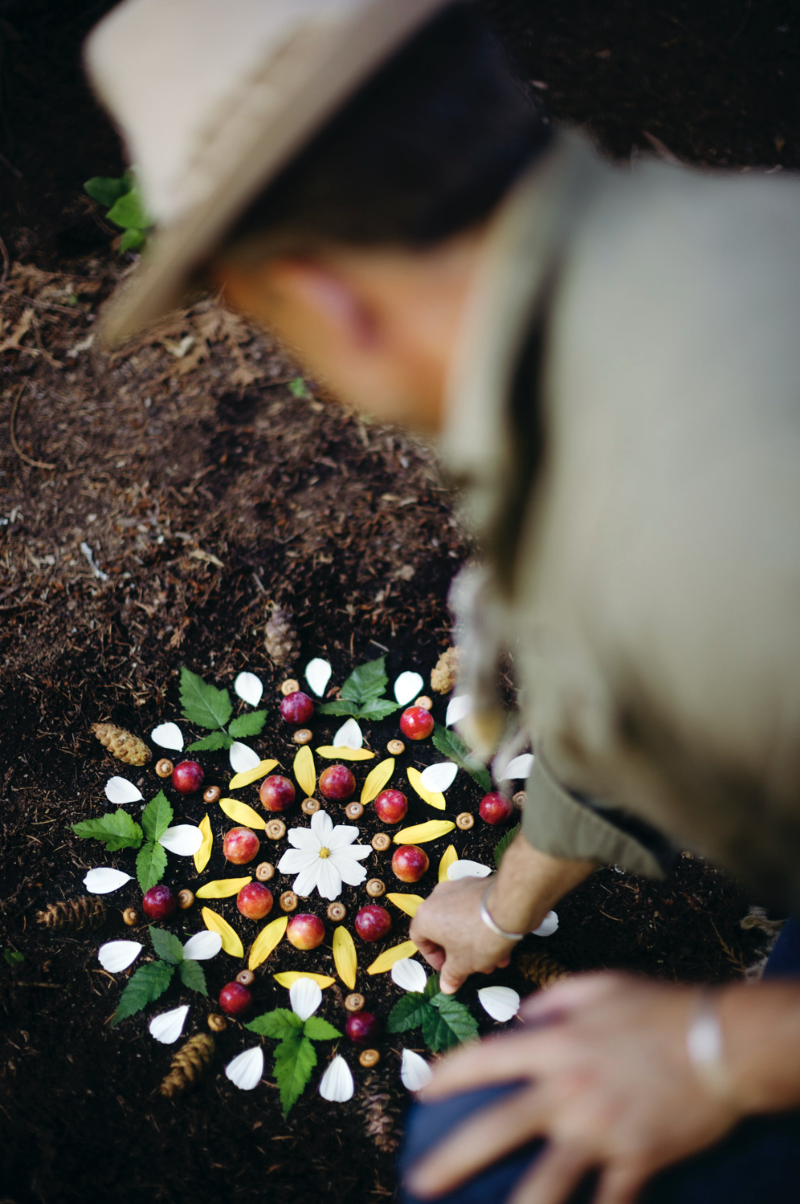
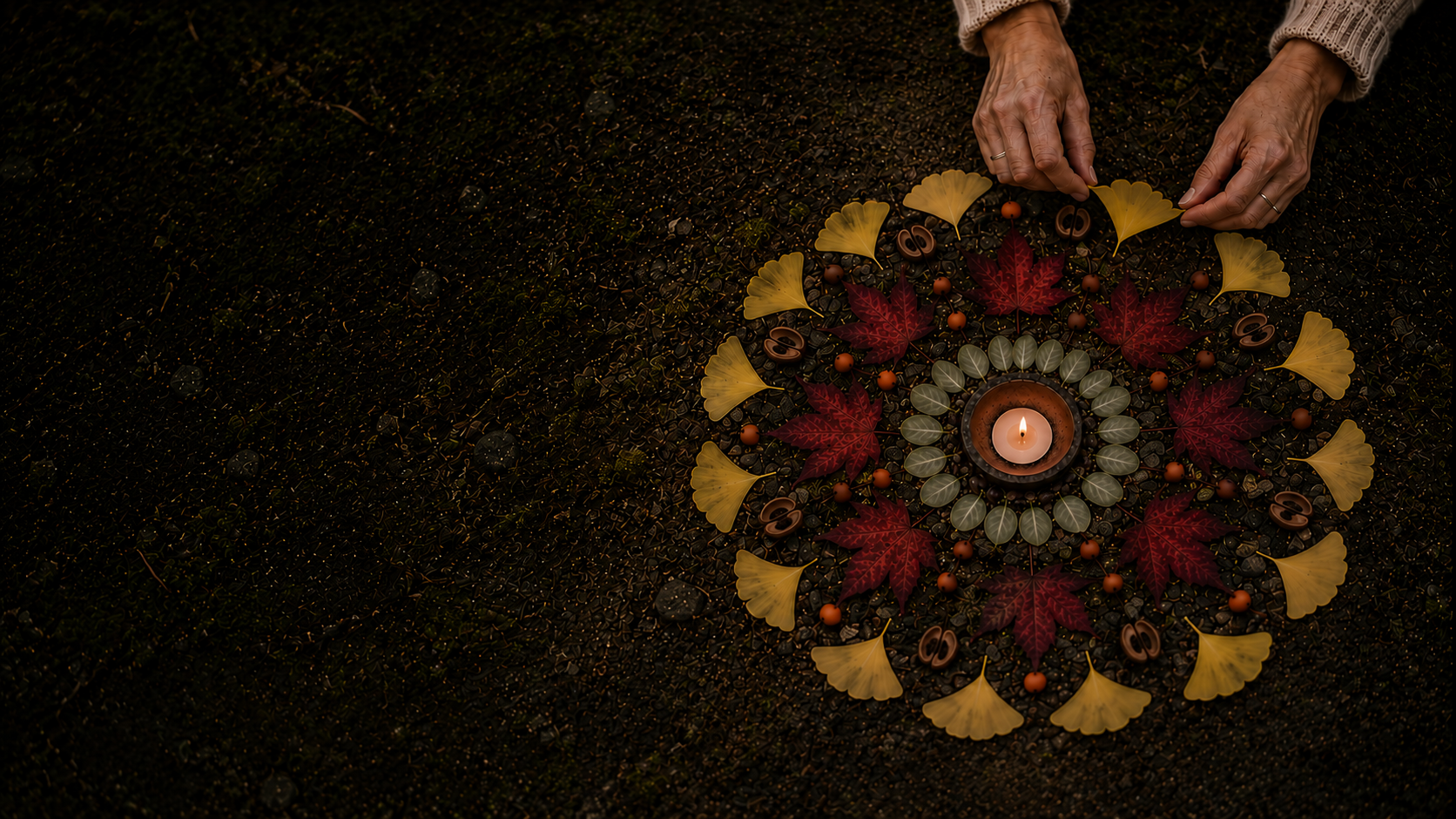
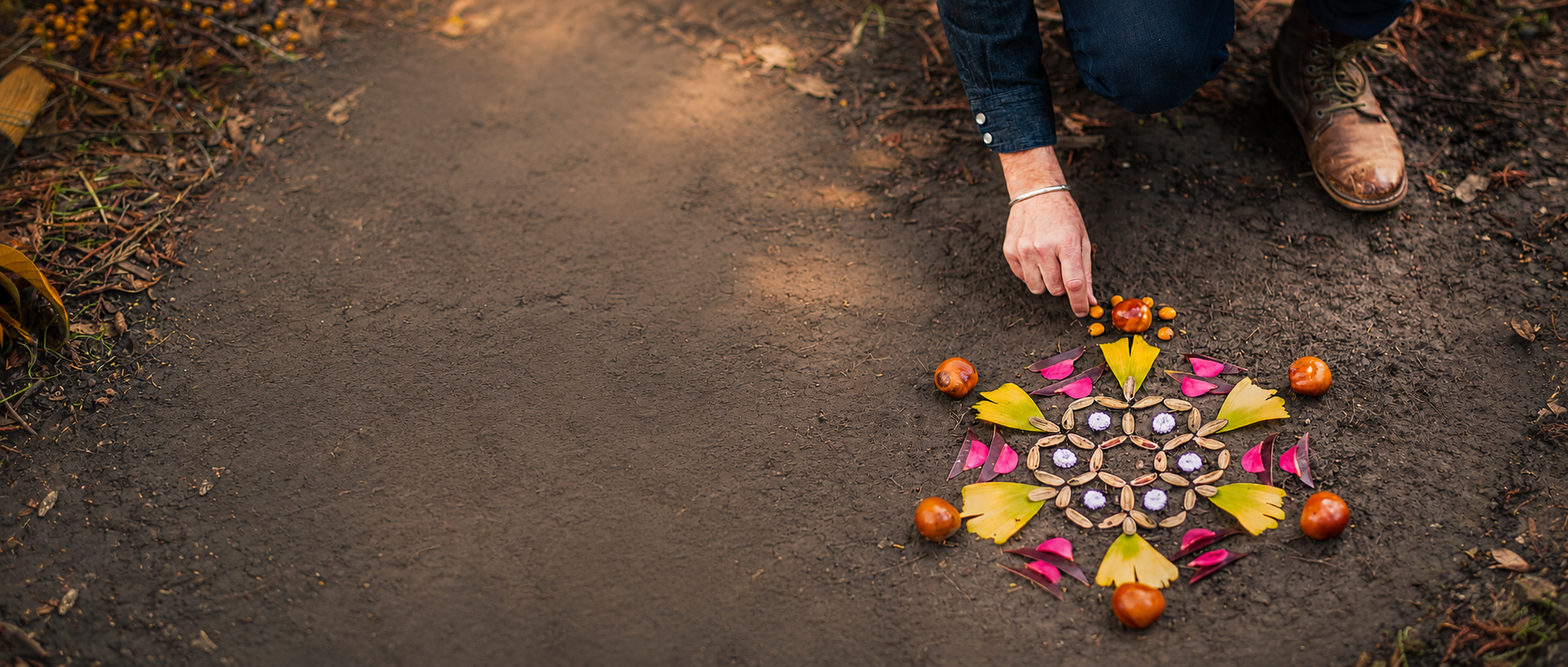
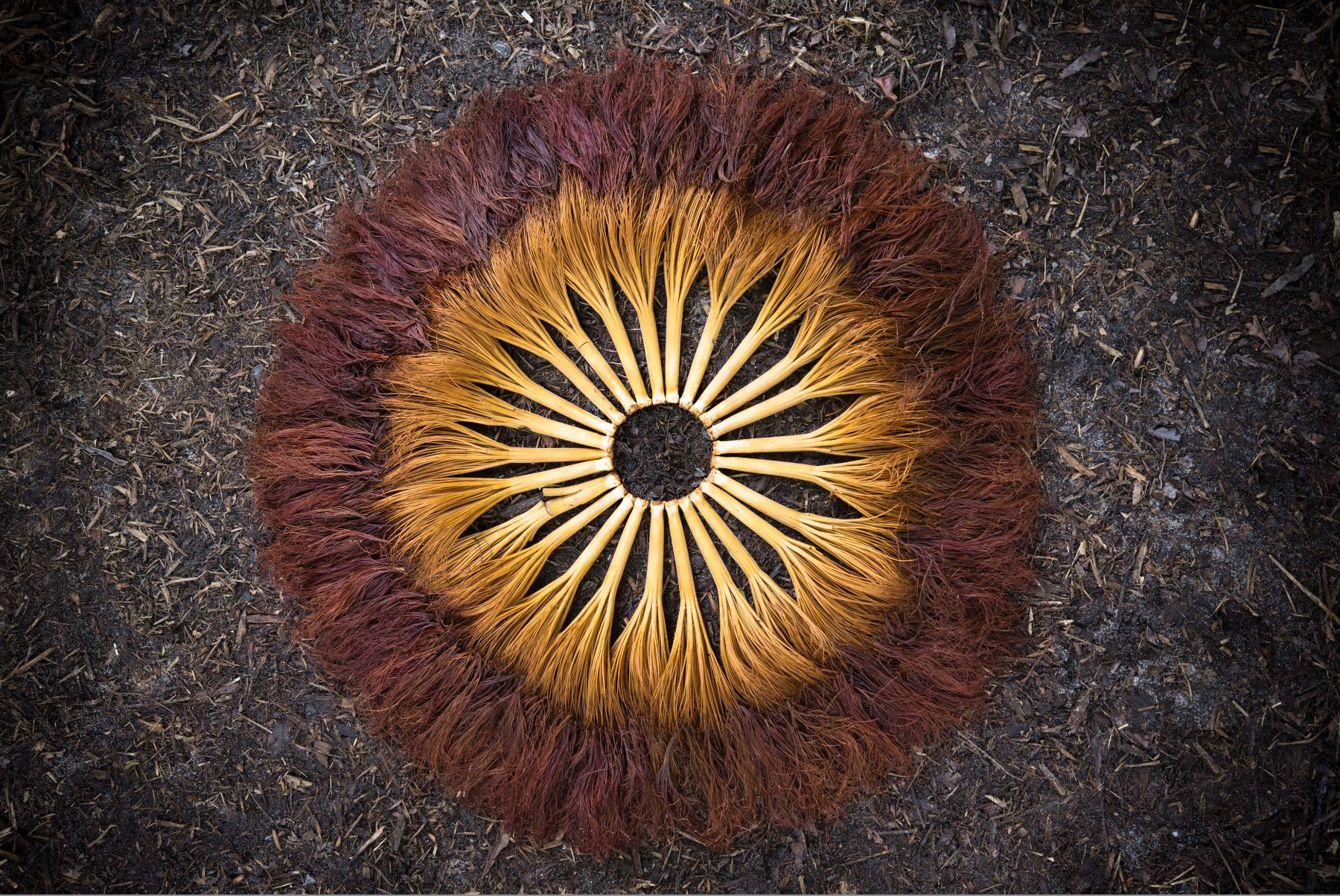
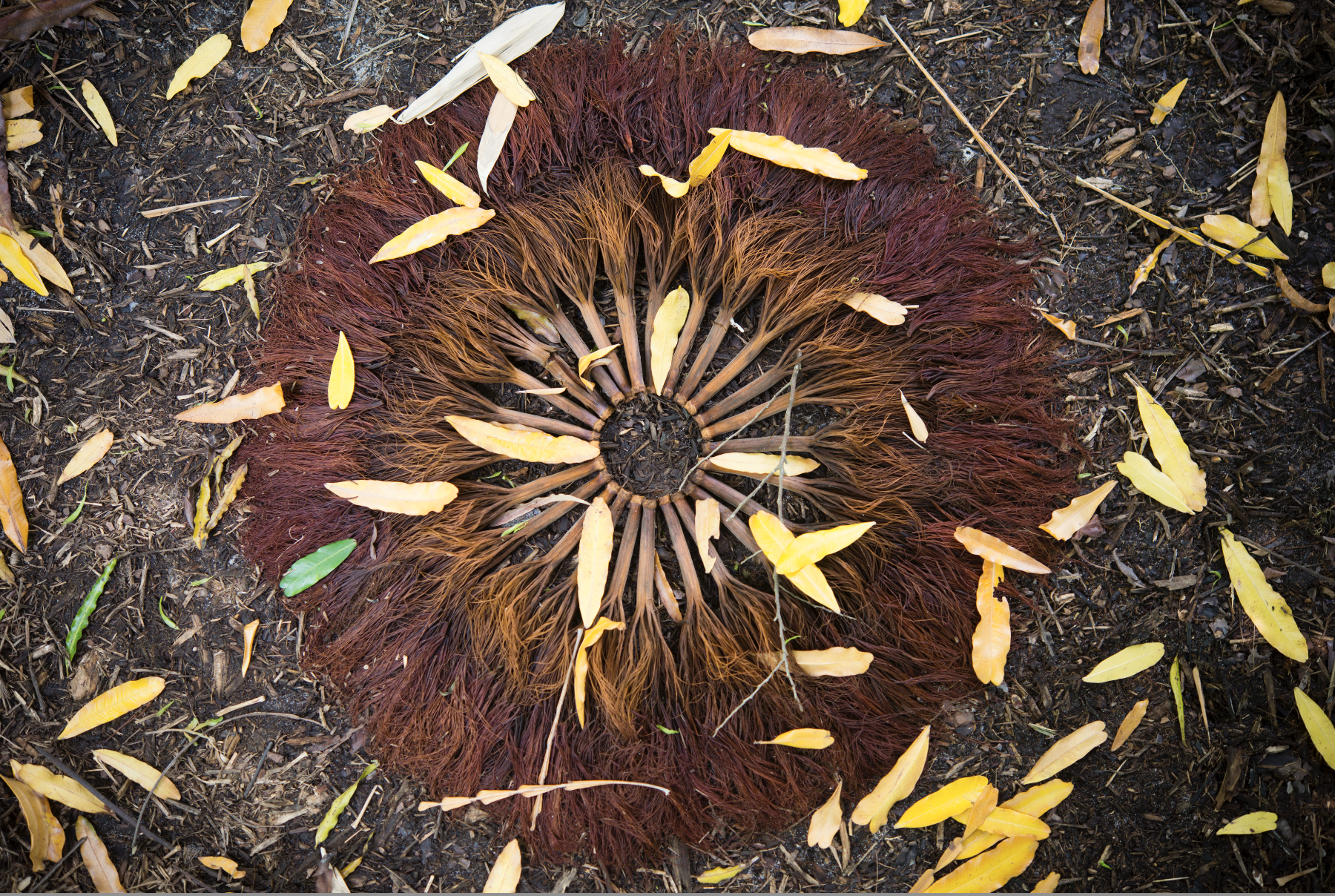
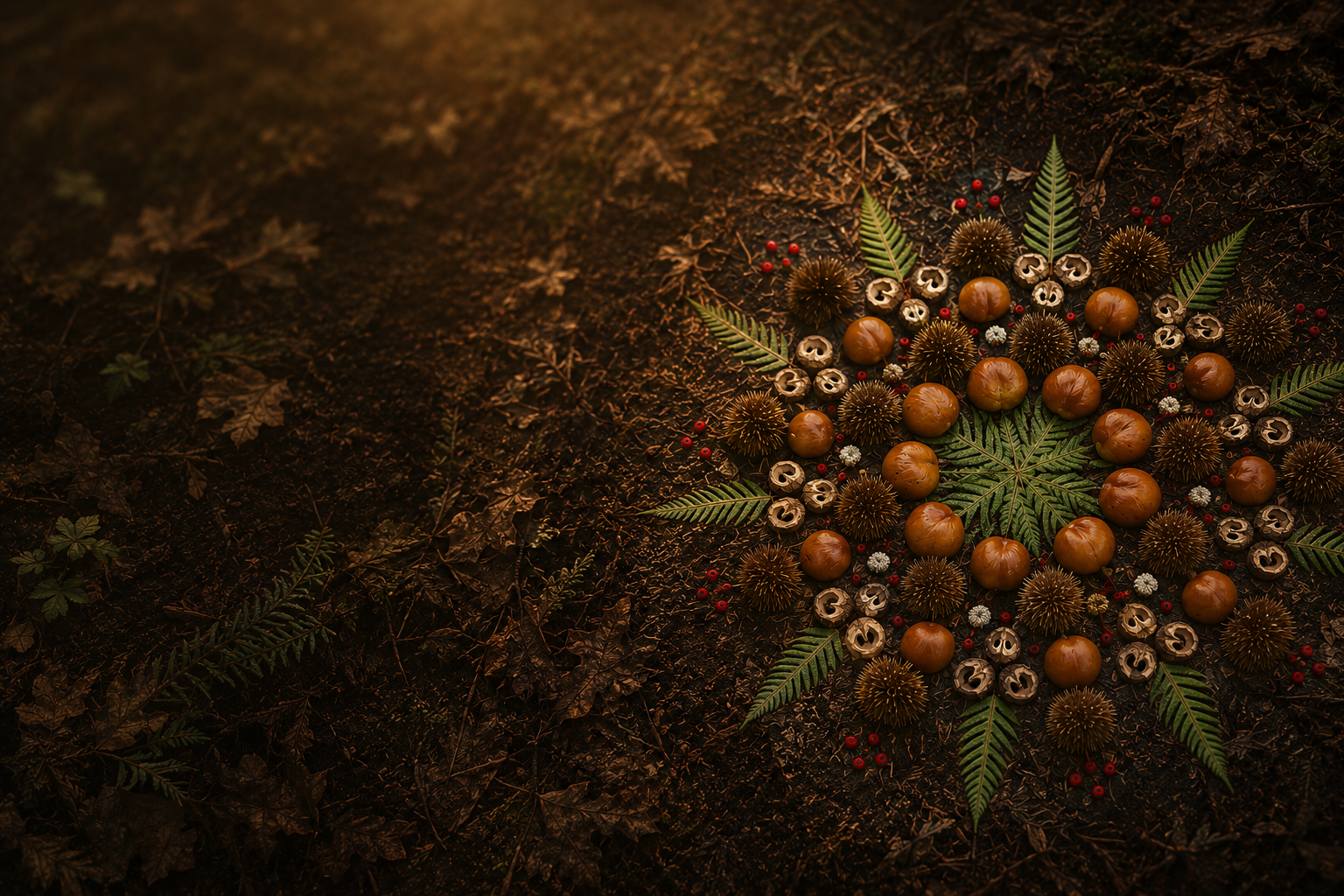
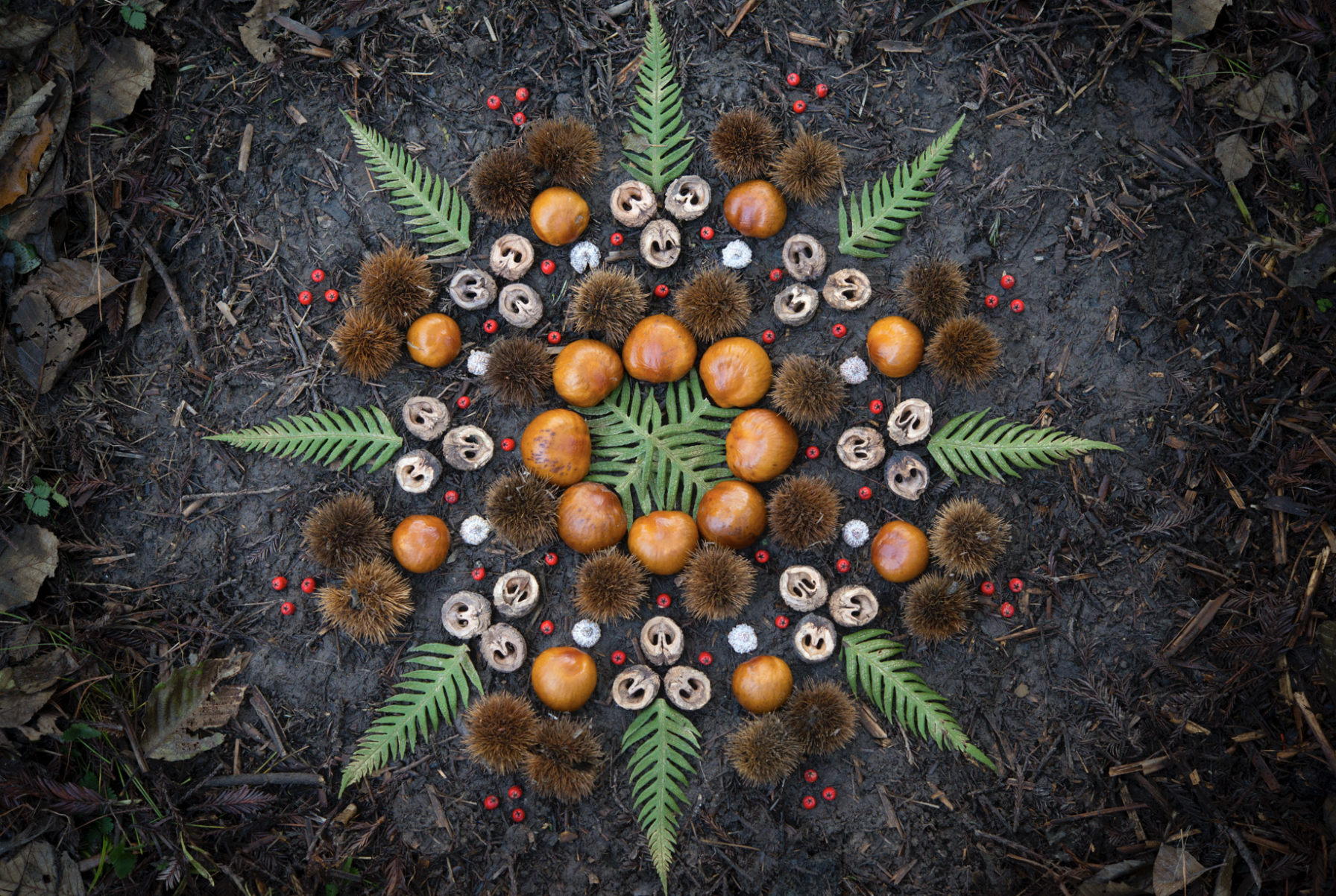
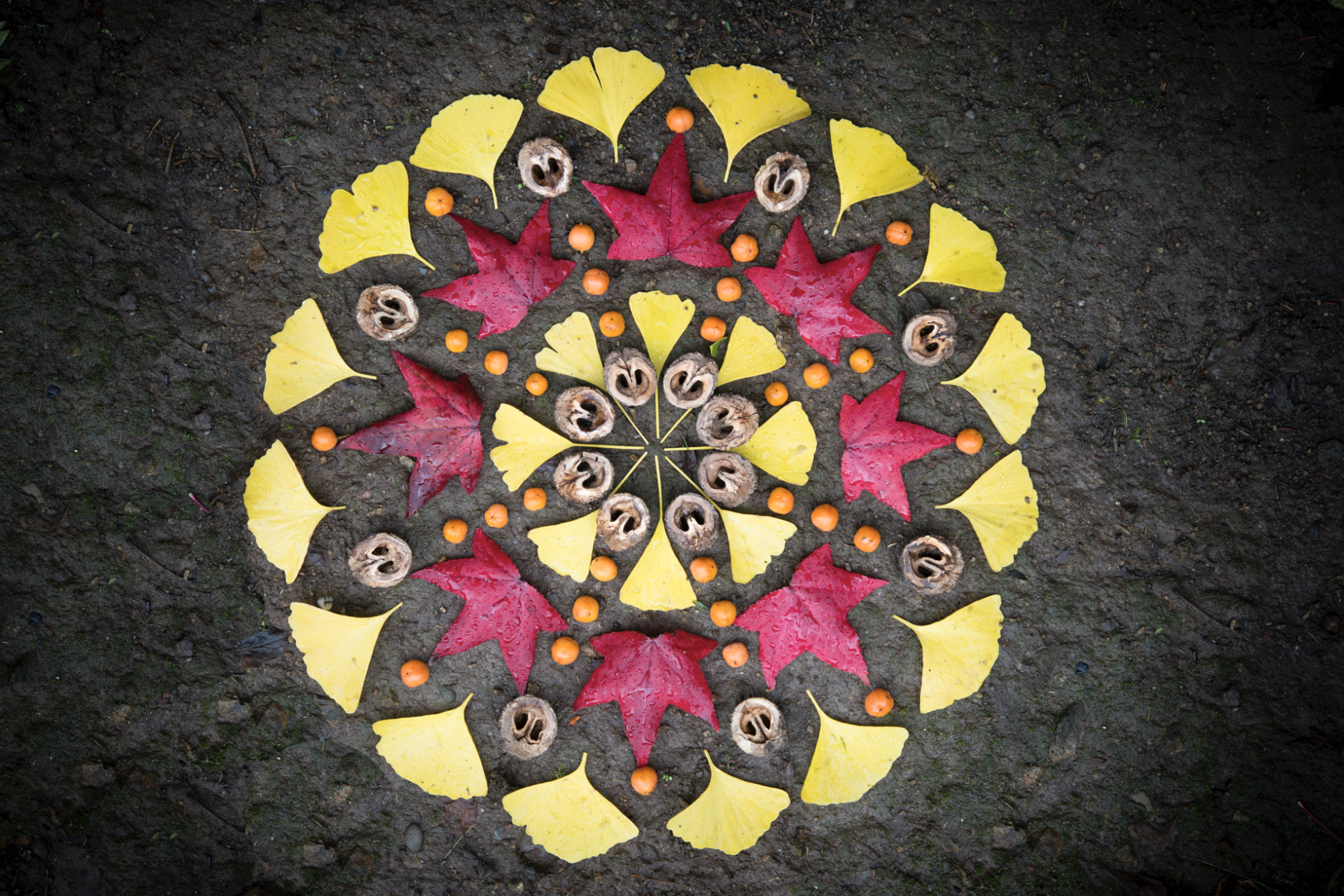
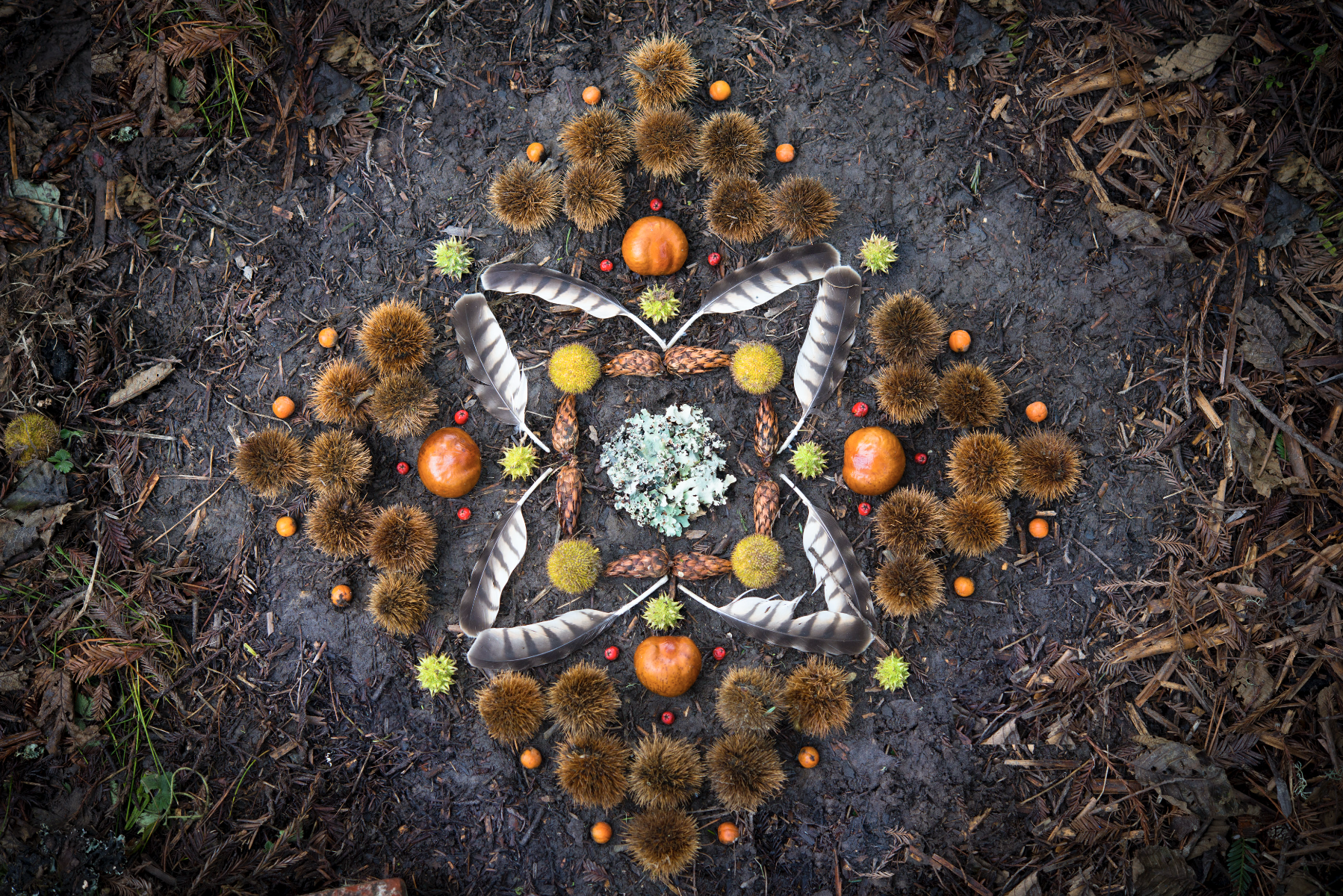
The first step is to wander outside and gather what’s fallen at your feet—leaves, stones, petals, branches. Then, sit with the Earth and use your imagination, heart, and hands to create a simple impermanent altar.
But you’re not just making something pretty. It’s a way to process your grief because grief often needs something beyond words.
It needs space.
Silence.
Time.
A place for the body to soften enough to listen and remember.
Making an altar slows us down.
It helps us feel connected to the living world again.
It gives grief somewhere to land outside the constant movement of the mind.
Why Nature, Creativity &
Ritual Help Grief Move
When I was grieving my dad, I didn’t want words.
I needed to be outside. Away from people for a while. Alone with the living world, where my sorrow could exist inside something vast enough to hold it.
Nature helped me remember that I was part of something vast and alive. It brought me back into the old cycles of life, death, decay, beauty, and renewal.
Creativity gave my hands something to do when my heart was overwhelmed. I could wander, gather, arrange, and make beauty without needing to know why. Without needing a goal. Without needing to be “okay.”
Ritual helped me mark the truth of that time: something had changed. My life was different now. I needed a way to honor that difference, to remember what was lost, and to slowly find myself again.
Together, nature, creativity, and ritual keep giving my grief a place to move.
Not by forcing anything. But by helping me stay connected to life while I continue to learn how to carry what keeps changing.
What is the
Morning Altars
Grief Ritual Series?
Three Wednesdays Together
Nov 4 • 11 • 18
4:00–6:00pm PT
Over three sessions, you’ll learn the Morning Altars practice as a way to work with grief. That includes how to build simple rituals into your week, and how to stay in relationship with the people, pets, and chapters of life you’ve lost in a nourishing way.
Live Online • Replays Included • Small Groups

By the end of three
sessions, you will have
built and tended your first grief altar, with a practice you can return to whenever grief rises.
And you’ll learn…
What to do in the moment when grief catches you off guard
How to work with the three time-windows of grief: what was, what is, what's still becoming
How to build rituals around grief-filled anniversaries, birthdays, and ordinary days
This series will resonate if:
You hold space for others while quietly carrying grief of your own
You keep functioning on the outside, while something underneath still aches
You’ve tried talking about your grief, but still don’t know what to do when it arises
You worry that the people, pets, or chapters you’ve lost will fade if you don’t remember them
Join us for this
3-part Ritual Series
and learn how to stay in relationship
with grief in a way that supports life.

You’ll leave with practices you can return to
whenever grief arises—so you’re not left alone in it.
What others are saying about
the Morning Altars Practice
"This training came at a time I needed it most. I originally signed up thinking it would encourage me to get outside more, but I ended up falling in love with the practice and the cohort. Morning Altars isn't just about creating beautiful earth art; the process is where the juiciness is!”
—Michele Duncan King, Death Doula
“This will change your life in a good way. Reconnecting with nature was the most impactful part, especially having a space without the need for words.”
—Julie Cardoza, Psychotherapist
"This is genuine. This is for you to remember, to tune in and share your wisdom. For people along a spectrum of experience, but who have curiosity, a respect for nature, and a willingness to find and to let go. The wide-world wisdom of the group, small group learnings, and gatherings were the most impactful."
—Sandy Agustin, Creative Choreographer and Death Doula
"If you are waiting for a sign - this is it. Being seen and held in community across major transformative thresholds in my life was the most impactful part. The confrontation with my own edges, patterns, hiding places, and fears was something I didn’t expect but found meaningful. "
– Stefanie Osofsky, Death Doula

Curriculum
SESSION 1
Tending the Longing
Understanding your grief and creating a place to meet it.
SESSION 2
Being in Liminal Space
Working with longing, memory, and how to carry your grief within your everyday life.
SESSION 3
Ritual and Integration
Creating personal rituals to help you honor your grief throughout the year.
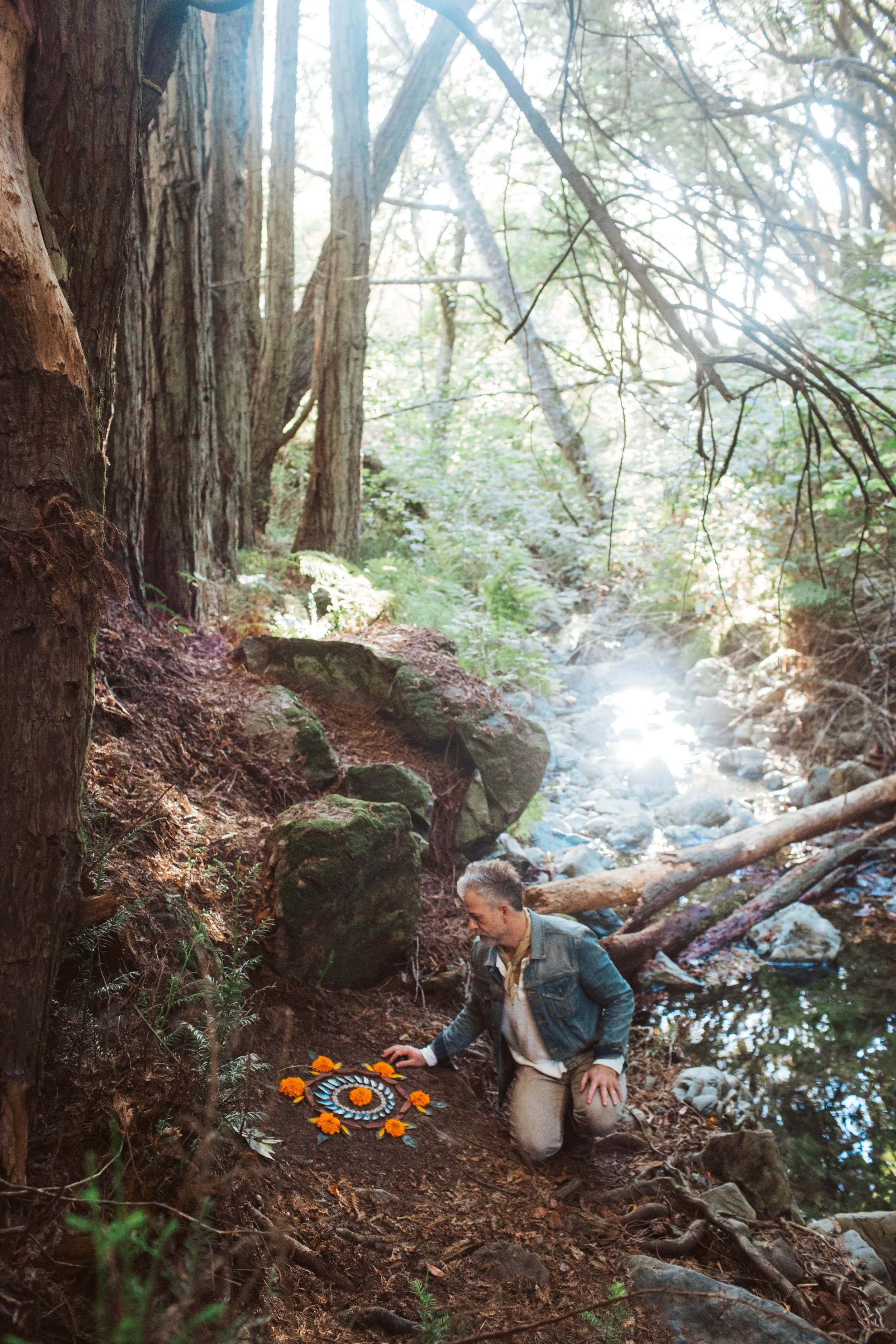
YOUR INSTRUCTOR
Day Schildkret
artist, ritualist, teacher, and founder of Morning Altars
For more than a decade Day has guided people in creating temporary earth altars as a way to express what is difficult to name, tend what feels overwhelming, and create beauty from the tender realities of being human. His books Morning Altars and Hello, Goodbye emerged from this work, offering practices and rituals for navigating grief, transition, celebration, and change.
His work has supported thousands of people — including therapists, death doulas, grief workers, caregivers, artists, and everyday people navigating loss, transition, and change.
Much of Day’s work was born through his own experiences of grief—through losing his father, navigating his mother’s dementia, and trying to understand what it means to stay in relationship with the people we love after life changes form.
What he discovered was that grief does not disappear when ignored, rushed, or pushed aside.
It asks for witness.
Expression.
Ritual.
A place to move.
Your Questions, Answered.
-
Not at all.
Morning Altars isn’t about making “good art.” It’s about making space for what you’re carrying.
If you can gather a few leaves, petals, stones, or branches and arrange them with care, you can do this practice.
-
Replays are included.
The live experience offers something special: witnessing, community, and the feeling of grieving alongside others. But many people move through the series slowly and gently in their own time.
You won’t fall behind if you miss a session.
-
There is no expiration date on grief.
Some people come carrying a fresh loss. Others are tending grief that has lived quietly inside them for years, even decades.
All of it belongs here.
-
No.
This is a guided ritual and creative practice space, not a clinical therapy group.
While the series can be deeply emotional and supportive, it is not a substitute for mental health care or crisis support. We encourage participants needing additional support to work alongside a licensed therapist or mental health professional.
-
Only if you want to.
There will be opportunities for reflection and optional sharing, but there is never pressure to speak or disclose anything personal.
You are welcome to participate quietly and still fully belong here.
-
A space outside (yard, park, balcony, even a windowsill works in a pinch), willingness to use your hands, and ~90 min for each session. You don’t need special materials. The practice begins by working with what’s already around you.
-
This series is open to many forms of grief: the death of a loved one, caregiving, illness, divorce, estrangement, heartbreak, identity shifts, aging, climate grief, political grief, and the collective grief many people are carrying right now around the state of the world and democracy itself.
It is also for the quieter griefs that are harder to name.
You do not need to justify your grief in order to tend it.
-
No.
While Morning Altars is rooted in relationship with the natural world, the practice can be adapted in many ways.
Some people create on the earth outdoors. Others work on tables, porches, balconies, kitchen counters, trays, windowsills, or with gathered materials brought inside.
You are encouraged to work in ways that support your body, energy level, mobility, and access needs.
There is no “right” way to participate.
-
Because this series includes live teaching and immediate access to recordings and materials, refunds are available up to 48 hours before the first session begins.
After the series begins, refunds are no longer available.
If something unexpected arises, please reach out. We understand that life — and grief — can be unpredictable.
-
Both.
Some people joining this series will be encountering Morning Altars for the very first time. Others have been practicing for years or are graduates of the Morning Altars Teacher Training returning to the work through the doorway of grief.
The intention is not to teach “levels” of expertise, but to create a meaningful space to work with grief, longing, remembrance, and ritual in community.
Whether this practice is completely new to you or already part of your life, this series is designed to be inclusive.